Jobs are created
Construction, retail, property operations, logistics and professional services create work in each city.

How we achieve it
Ordinary people spend as usual. Regulated banks track every rand. That spending builds shares, property and a New City of Alexandra — one transaction at a time.
R500bn–R800bn
To build the full New City of Alexandra
99 more cities
Using the same people-owned model across the region
The target is ambitious because the model is designed to turn the money people already spend into long-term community wealth. Every grocery run, rent payment and tank of fuel becomes a tiny brick in a much bigger city.
Clear pathway — step by step
This is the intended full pathway. All numbers and profit shares are targets only, not guarantees.
Anyone can walk into a Stratum Mini Complex or Stratum Mixed Use development and buy groceries, meat, vegetables, liquor, airtime, data or other daily items. They spend exactly as they normally would. No membership is required just to shop.
The businesses — grocery, butchery, fresh produce, liquor and more — collect money through normal bank point-of-sale systems. These shops are part of the Stratum network.
A shopper who wants more than just shopping can register on the SAMBO Digital Platform. They complete a simple consultation and FICA/KYC verification, then start contributing from R250 per month.
Monthly contributions from members plus profits from the shops are collected in controlled, regulated bank accounts. The money waits safely — supervised by FNB and Standard Bank — until it reaches the amount needed for the next building project.
First we build Mini Complexes: small hubs with shops and apartments. When enough capital is ready, we build larger Stratum Mixed Use developments. Later we add bigger projects such as Sports Cities. All projects stay inside one connected network.
Eligible members share in the profits and growth of the whole network, not just one shop or building. The intended split is 90% to members through regulated investment funds and 10% to the Luthando Maduna Foundation and the management teams supporting the mission.
Part of the profits and contributions is put back into the system. This funds the next Mini Complex, then the next mixed-use building, and so on, until the full New City of Alexandra is complete — and then 99 more cities.
See it in action
She lives far from Alexandra, but the system works the same way wherever a Stratum network exists.
Susan loves the idea of owning a piece of the future. She visits a Stratum Mini Complex in Limpopo and shows her SAMBO membership card. Then she spends exactly as she normally would.
Each purchase is captured by a bank point-of-sale device. The cash flows straight into regulated business accounts. Susan can see her spending on her Stratum Private Clients Statement, and the system uses those sales to help her qualify for shares on the JSE.
At the JSE level, the pooled funds can be redirected into New City of Alexandra Asset-Backed Notes — so her everyday money helps fund the city while she builds ownership she can see and track.
Multiply Susan by thousands of people across the SADC region who shop, rent and travel in the network, and the daily cashflows become a serious city-building engine. People stop losing money forever and start building wealth forever.
Susan’s month in the network
| Food CornerGroceries | R2,000 |
| Lifestyle Meat CoMeat | R500 |
| Lifestyle Produce StoreVegetables | R200 |
| Mobile/data providerAirtime & data | R300 |
| Favourite DrinksLiquor | R300 |
| Apartment rentRent | R3,500 |
| Daily commuteFuel | R2,000 |
| Tracked spending | R8,800 |
| Illustrative net profit at 6%R8,800 × 6% | R528 |
The 6% is an illustrative blended net-profit assumption across the businesses, after operating costs. Actual margins will vary by business, location and period. Profit, rather than Susan’s full spending amount, enters the profit-sharing model.
From one Susan to continental scale
The plan is to connect 100,000 Mini Complexes and 20,000 Mixed Use developments to communities of 200–500 million people across Africa. Each person shops normally; scale comes from many ordinary transactions flowing through one transparent network.
| Illustrative reach | Tracked monthly spending | 6% net profit / month | 6% net profit / year |
|---|---|---|---|
| 200 million people | R1.76tn | R105.6bn | R1.27tn |
| 500 million people | R4.40tn | R264bn | R3.17tn |
Illustration only: every person is assumed to match Susan’s R8,800 monthly tracked spend and the businesses collectively achieve a 6% net margin. It shows the mathematics of scale, not a forecast, valuation or promise that every transaction will qualify.
01
200–500 million people buy daily essentials across the network.
02
Sales, rent and verified profits are tracked in regulated bank accounts.
03
A qualifying 10% deposit could support a larger property-finance application.
04
Approved capital builds inclusive cities, creating assets, jobs and opportunity.
In a simple illustration, R50 billion in qualifying equity or deposits could support an application for R500 billion in total project funding; R80 billion could support R800 billion. The bank does not simply multiply cash or hand over money automatically. It assesses each development, collateral, affordability, cashflow and risk under banking and reserve rules before approving any loan. The planned rent, business profits and daily consumption then create the cashflow from which approved debt can be repaid.
Construction, retail, property operations, logistics and professional services create work in each city.
A planned 200,000–400,000 apartments add rental income to the network while meeting a real housing need.
Rent, business profits and recurring daily spending provide several intended repayment streams for lenders.
From low land value to shared city value
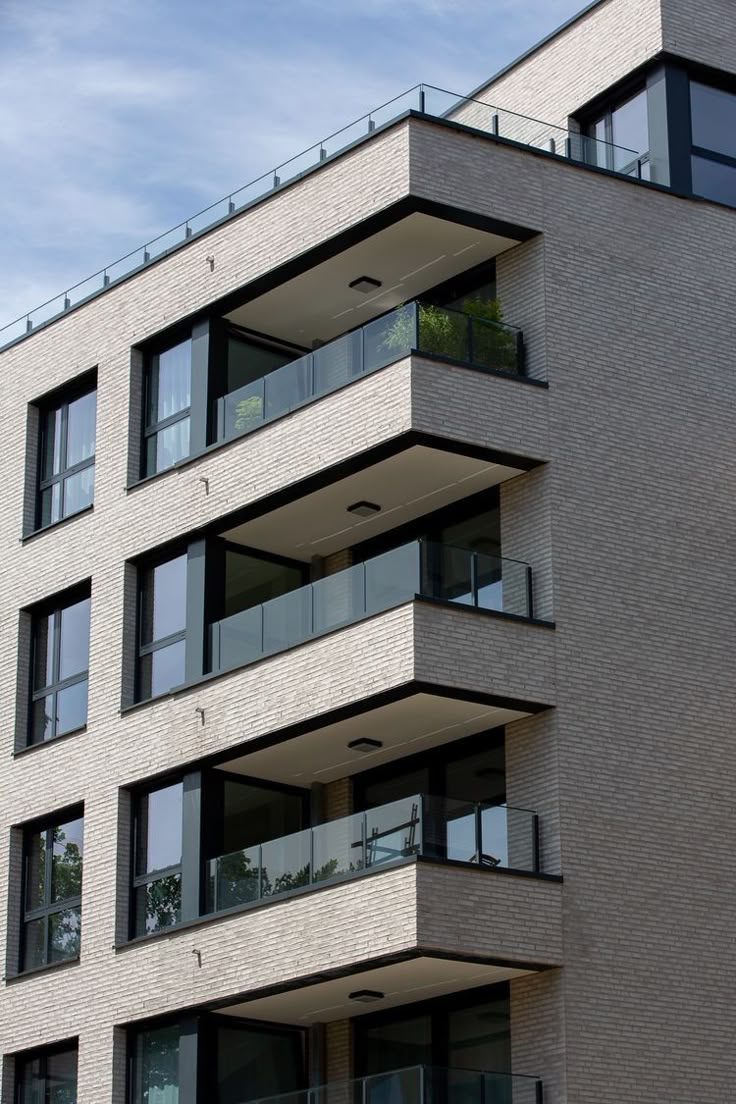
Alexandra’s existing low-rise land supports limited homes and economic activity per square metre. High-rise, mixed-use development can place homes, shops, services and jobs on the same land — increasing its productive use without removing the community from it.

Susan’s NAV pathway
Spending → ownership → asset value → financial options
Net Asset Value, or NAV, is the verified value of the network’s assets minus what it owes. If planned development raises the value and earning power of the land and buildings, the NAV of the regulated investment holding those assets may also rise.
Susan does not receive a private title deed merely because she shops. If she is eligible, completes the required process and receives units or listed shares, her benefit is her documented interest in the wider asset network, together with any lawful distributions. This is how 200 million people like Susan could participate in property ownership without increasing their normal household spend.
If the investment is ultimately listed on a regulated stock exchange and her holdings have a verifiable market value, a lender may consider them as security. Borrowing is never automatic: the lender decides what collateral it accepts and assesses Susan’s income, affordability, credit standing and market risk. Land values, NAV, distributions and share prices can rise or fall.
Banking you can trust
FNB and Standard Bank provide the banking infrastructure — business accounts, point-of-sale devices and automated sweeps. Stratum Property Group administers the property network and the process. Nothing sits in private pockets; everything flows through documented banking arrangements.
The 90/10 split applies only to distributable profits and is subject to regulated fund structures, executed agreements, applicable law, eligibility and verified financial results. The JSE listing of the New City of Alexandra is a long-term ambition, not a guarantee. The 6% net margin, 200–500 million reach, R500–R800 billion funding, 100,000 Mini Complexes, 20,000 Mixed Use developments, 200,000–400,000 apartments, financing ratios and 100-city programme are planning assumptions and targets only. They are not forecasts, bank approvals or promises of ownership, profit, NAV growth, lending or repayment.